How to Choose the Right Carbon Rim Width for Gravel Tires
Choosing the right carbon rim width for gravel tires is essential for tire compatibility, handling, comfort, and wheelset performance. Whether you ride fast gravel roads, loose surfaces, or demanding off-road terrain, the relationship between rim width and tire size can significantly influence the riding experience.
However, wider is not always better. A gravel rim must be matched with the appropriate tire width, bead design, inflation pressure, and intended application.
This guide explains how to choose carbon gravel rim width, including internal and external dimensions, tire profile, compatibility requirements, and practical considerations for bicycle brands and wheel builders.
1. What Is Carbon Gravel Rim Width?
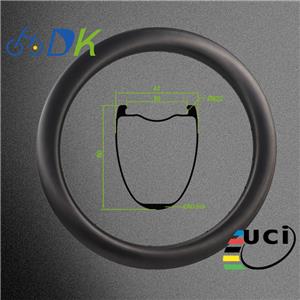
Carbon gravel rim width describes the dimensions of a bicycle rim across its cross-section. Two measurements are especially important: internal rim width and external rim width.
Internal Rim Width
Internal rim width is measured between the inner surfaces of the rim sidewalls at the specified bead-seat measurement location.
This dimension is critical because it affects how the tire sits on the rim, the mounted tire profile, and compatibility with different tire sizes.
For example, gravel rims may have internal widths around 21mm, 25mm, 30mm, or wider, depending on their intended application.
External Rim Width
External rim width is the total width measured across the outside of the rim.
This dimension influences rim cross-sectional design, aerodynamic shaping, and potential tire-to-rim airflow characteristics.
When choosing carbon gravel rims, buyers should examine both dimensions rather than relying on external width alone.
2. How Does Rim Width Affect Gravel Tire Performance?
Changing internal rim width can affect how a gravel tire behaves after installation.
Tire Shape and Profile
A wider internal rim generally supports a wider and flatter mounted tire profile, while a narrower rim typically produces a more rounded profile.
This change can influence the shape of the tire tread and the position of the sidewalls.
However, the actual result depends on tire construction, tread pattern, inflation pressure, and the manufacturer's intended rim width.
Handling and Cornering
Appropriate rim width can provide suitable tire support during cornering and changes in direction.
However, using a rim that is excessively wide for a particular tire may create an unsuitable tire profile or fall outside the approved compatibility range.
Correct tire-to-rim matching is more important than simply selecting the widest available carbon rim.
Comfort and Traction
Gravel tires often use lower inflation pressures than conventional road tires to improve comfort and traction on uneven surfaces.
Rim width can influence mounted tire volume and shape, but recommended pressure also depends on rider weight, tire casing, terrain, and the tire and rim manufacturers' limits.
Never assume that a wider rim automatically permits lower tire pressure.
3. Choosing Rim Width for Different Gravel Tire Sizes
Gravel bicycles use a wide range of tire sizes, from relatively narrow all-road tires to large-volume tires intended for rough terrain.
The following examples explain typical selection considerations. They are not universal compatibility approvals.
35mm Gravel Tires
A 35mm tire is commonly associated with faster all-road riding, hard-packed gravel, and mixed pavement routes.
When selecting a carbon rim for this tire category, buyers should prioritize an approved internal width and a suitable tire profile rather than an excessively wide rim.
40mm Gravel Tires
A 40mm gravel tire offers a versatile option for mixed surfaces. Tire support, rolling characteristics, and frame clearance should all be considered when choosing the rim.
Internal widths commonly found on gravel wheels may be suitable, but the final combination must be confirmed using the applicable tire and rim compatibility guidance.
45mm Gravel Tires
A 45mm gravel tire provides greater volume for riders tackling loose gravel, rough roads, and longer off-road routes.
When choosing a carbon gravel rim width, consider tire casing shape, bead compatibility, recommended pressure, and available frame clearance.
50mm Gravel Tires
A 50mm gravel tire is often selected for demanding gravel and off-road conditions where additional tire volume and traction may be useful.
Wider internal rim designs may be considered for these applications, provided the specific tire and rim combination is approved by their manufacturers.
Important: Tire width alone does not establish compatibility. Always verify the exact tire model, internal rim width, bead-seat diameter, hooked or hookless construction, and inflation pressure limits.
4. How to Check Gravel Tire and Rim Compatibility
Before selecting a carbon gravel rim, check the following specifications.
Step 1: Confirm Tire Size and Rim Diameter
Check the tire's ETRTO size marking. For example, 45-622 identifies a nominal 45mm tire section width and a 622mm bead-seat diameter.
The tire bead-seat diameter must match the rim diameter.
Step 2: Check Internal Rim Width
Use the tire manufacturer's published compatibility chart to determine which internal rim widths are approved for the selected tire.
Do not use external rim width as a substitute for internal width.
Step 3: Confirm Hooked or Hookless Construction
Hooked and hookless carbon rims have different tire compatibility considerations.
For hookless rims, use only tires specifically approved for the relevant hookless application, and follow all tire and rim manufacturer restrictions.
Step 4: Verify Tire Pressure Limits
The maximum permitted inflation pressure depends on the tire and rim combination. Always follow the lowest applicable pressure limit.
The preferred riding pressure may be lower, depending on tire construction, rider load, terrain, and manufacturer guidance.
Step 5: Check Frame and Fork Clearance
A tire may measure wider after installation on a different rim. Ensure sufficient clearance around the frame, fork, and bicycle components.
For additional guidance, review the tire-to-rim compatibility information published by WTB and Schwalbe.
5. DK Composite Carbon Gravel Rim Options
DK Composite manufactures carbon bicycle rims for road, gravel, and other cycling applications.
Different gravel projects may require different rim widths, depths, tire combinations, and structural designs.
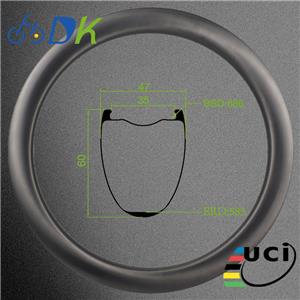
DK G60TL-47 Wide Aero Carbon Gravel Rim
The DK G60TL-47 Aero Carbon Gravel Rim is a wide-profile model developed for performance-oriented gravel applications.
Its published main dimensions include:
- Model: G60TL-47
- Rim Depth: 60mm
- External Width: 47mm
- Internal Width: 35mm
- Application: Performance gravel cycling
The product is marketed for use with wide gravel tires, including a target range of 45-50mm.
However, because its 35mm internal width is relatively wide, buyers must confirm that the exact tire model is approved for this rim width and bead design before installation.
The G60TL-47 also features a reinforced hook and flange structure developed for demanding gravel riding conditions.
This construction reflects the importance of considering impact resistance and structural requirements when designing wide carbon gravel rims.
Explore the G60TL-47 Carbon Gravel Rim Product Page for detailed specifications and product information.
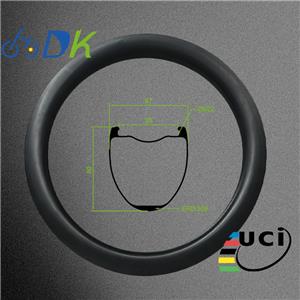
Other Carbon Gravel Rim Designs
Not every gravel wheelset requires an extremely wide rim. Different applications may benefit from narrower or wider profiles depending on tire size, terrain, and riding priorities.
DK Composite also provides gravel rim options with different depths and external widths.
Visit the DK Composite Carbon Gravel Rim Collection to explore available designs and identify suitable options for different gravel wheel projects.
6. Does Wider Gravel Rim Width Improve Aerodynamics?
Aerodynamic performance is influenced by the relationship between tire width, external rim width, rim depth, and cross-sectional shape.
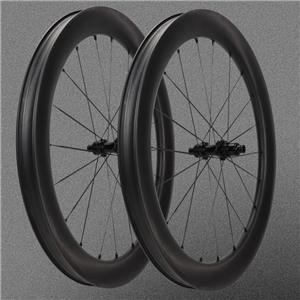
When designing an aero gravel wheelset, manufacturers may optimize rim geometry around a specific tire size.
A wider external rim can provide more space for aerodynamic shaping around a wide tire. However, width alone does not guarantee lower aerodynamic drag.
The mounted tire profile, tread shape, airflow direction, and complete wheel design must also be considered.
For gravel racing, aerodynamic efficiency should be balanced with tire compatibility, handling, comfort, and durability.
7. Choosing Carbon Gravel Rims for OEM Wheelset Projects
For bicycle brands, wheel builders, and distributors, selecting carbon gravel rim width is an important step in developing a reliable wheelset.
Before starting an OEM wheel project, professional buyers should define the following requirements:
- Intended tire sizes and approved compatibility ranges
- Internal and external rim width
- Rim depth and aerodynamic design goals
- Hooked or hookless bead construction
- Target rim weight and structural requirements
- Spoke hole count and drilling configuration
- Tubeless compatibility and inflation pressure limits
- Impact and fatigue testing requirements
These specifications help manufacturers select appropriate rim designs for road-oriented gravel, all-round gravel, and demanding off-road applications.
DK Composite offers carbon rim products for different bicycle applications. Buyers can visit the DK Composite Official Website to discuss available specifications and wheelset development requirements.
8. Frequently Asked Questions
What is the best internal rim width for gravel tires?
There is no single best internal rim width for every gravel tire. The correct choice depends on tire size, tire construction, intended riding conditions, and the manufacturer's approved compatibility range.
Can I use a 40mm tire on a 30mm internal rim?
Do not assume compatibility from these dimensions alone. Check the specific tire manufacturer's approval for a 30mm internal rim and confirm the rim's bead design and pressure restrictions.
Does a wider gravel rim make the tire wider?
It can. A wider internal rim generally produces a wider and flatter mounted tire profile, although the final dimensions depend on tire construction and inflation pressure.
Is internal or external rim width more important?
Internal rim width is particularly important for tire compatibility and tire profile. External width also matters for rim geometry and aerodynamic design.
Are hookless carbon gravel rims safe?
Hookless rims can be used safely when the tire and rim combination is specifically approved and all relevant pressure, tire type, and installation requirements are followed.
Can wider rims improve gravel riding comfort?
Correctly matched wider rims can influence tire volume and shape, but comfort also depends on tire casing, inflation pressure, surface conditions, and overall bicycle setup.
Conclusion: Choosing the Right Carbon Gravel Rim Width
Choosing the right carbon rim width for gravel tires requires more than selecting the widest available design.
Internal rim width affects tire profile and compatibility, while external width contributes to rim geometry and aerodynamic design.
For 35mm, 40mm, 45mm, and 50mm gravel tires, the correct rim choice depends on the specific tire model, approved dimensions, pressure limits, and intended riding application.
For bicycle brands and professional wheel builders, carefully matching tire and rim specifications is essential to developing reliable gravel wheelsets.
Explore the DK Composite Carbon Gravel Rim Collection or contact DK Composite to discuss carbon gravel rim specifications and OEM wheelset requirements.