How to Measure Bike Rim Width: Internal vs External Width Explained
How to Measure Bike Rim Width: Internal vs External Width Explained
Bike rim width is an important measurement when checking whether a tire will fit a bicycle wheel. Rim width can also affect tire shape and how the tire sits on the wheel. However, “rim width” may refer to either internal width or external width. The two measurements describe different parts of the rim, so knowing which measurement a specification uses can help prevent confusion when comparing wheels or checking tire compatibility.
What Is Internal Rim Width?
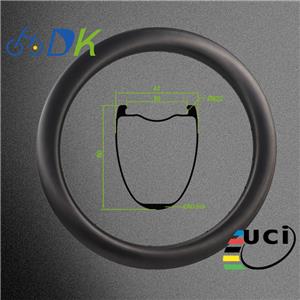
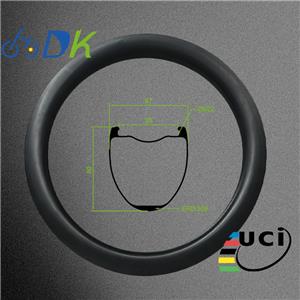
Internal rim width is the distance between the inner sides of the rim where the tire beads sit. Internal width is usually the key measurement to check when comparing a rim with a tire manufacturer’s compatibility chart. A wider or narrower rim can change the mounted tire’s profile, so always confirm that the specific tire is approved for the specific rim width.
On a hooked rim, the tire bead rests in the rim bed and is retained by the rim hooks. On a hookless rim, the rim has no inward-facing hooks to hold the bead. Hookless systems have specific tire and pressure requirements. A tire that fits a hooked rim is not automatically approved for a hookless rim, even when the internal rim width looks similar.
What Is External Rim Width?
External rim width is the measurement across the outside of the rim, from one outer sidewall to the other. External width can help describe the overall rim profile and may be useful when checking frame or fork clearance. External width is not the same as internal width, and external width alone does not confirm that a tire is compatible with a rim.
Rim shape and sidewall thickness vary between wheel models. As a result, two rims with the same internal width can have different external widths. When a product specification lists “rim width” without saying whether the measurement is internal or external, check the manufacturer’s technical details before using the number to choose a tire.
Tools Needed to Measure Bike Rim Width
A digital or vernier caliper that can measure in millimeters
A clean, stable work area with good lighting
The rim or wheel manufacturer’s technical specifications for comparison
A caliper gives a more consistent measurement than a ruler, especially when the difference between two rim sizes is only a few millimeters. Use the caliper carefully. Do not squeeze the rim or scratch the rim bed, braking surface, or carbon finish. If the wheel is valuable or the correct measuring points are unclear, ask a bike shop or the wheel manufacturer for help.
How to Measure Internal Bike Rim Width
Remove the wheel from the bicycle and make sure the wheel is stable.
Deflate the tire completely before removing the tire from the rim.
Measure the rim without the tire installed. The tire must not be included in the measurement.
Place the caliper jaws against the inner rim walls at the area where the tire beads seat.
Keep the caliper straight across the rim, then read the measurement in millimeters.
Repeat the measurement at another point to check consistency, and compare the result with the rim manufacturer’s published specification.
The correct measuring points are the surfaces that support the tire beads, not the very bottom of the rim channel and not the outer edges of the rim. Rim profiles differ, so avoid estimating internal width from a photograph or from the tire’s printed size. If the rim has a complex profile, consult the manufacturer’s diagram or ask a qualified mechanic to identify the bead-seat area.
How to Measure External Bike Rim Width
To measure external bike rim width, leave the tire off the rim and place the caliper jaws across the widest outside points of the rim sidewalls. Keep the caliper perpendicular to the wheel and take the measurement in millimeters. Check more than one point if the rim has a non-uniform profile, and avoid measuring across brake tracks or other surfaces that do not represent the rim’s widest external width.
External width can be useful when checking clearance between a wheel and the frame, fork, or brake components. Leave enough clearance for tire growth, wheel flex, mud, and debris where relevant. Follow the bicycle and wheel manufacturers’ clearance guidance rather than relying on the external rim width alone.
Rim Width and Tire Compatibility
After measuring bike rim width, check the rim manufacturer’s approved tire-width range and the tire manufacturer’s rim compatibility information. Confirm whether the rim is hooked or hookless, and check the approved tire sizes and maximum pressure for the exact combination. These details matter because safe compatibility depends on the complete rim-and-tire system, not on one measurement by itself.
Tire labels usually show a nominal tire size, such as a width in millimeters. The mounted tire may measure differently depending on the internal rim width, tire construction, and pressure. A tire marked with a particular size should not be assumed to have exactly the same measured width on every rim. If a precise tire clearance is important, follow the bicycle maker’s instructions and measure the installed tire after mounting.
Do not use a general tire-to-rim ratio as a substitute for manufacturer approval. Rim standards, tire construction, and hookless requirements can vary. If the compatibility chart does not clearly cover the measured bike rim width and tire model, contact the wheel or tire manufacturer before riding.
Common Bike Rim Width Measuring Mistakes
Measuring across the tire instead of measuring the rim with the tire removed.
Confusing external rim width with internal rim width.
Measuring the bottom of the rim channel instead of the tire bead-seat area.
Assuming that every tire with the right nominal size is compatible with every rim.
Ignoring whether the rim is hooked or hookless, or overlooking pressure limits.
Using a single measurement without checking the manufacturer’s specifications.
When to Ask a Bike Shop or Manufacturer
Ask a qualified mechanic or the wheel manufacturer if the rim’s measurement is difficult to identify, if your measurement differs from the published specification, or if the tire and rim compatibility information is unclear. Professional guidance is especially important for hookless rims, carbon rims, unusual tire sizes, and setups close to the bicycle’s frame or fork clearance limits.
Do not ride a wheel with visible cracks, damaged sidewalls, a distorted bead seat, or other structural damage. Measuring bike rim width does not assess wheel safety. Have a damaged rim inspected by a qualified professional before using the wheel again.
Final Checklist
Remove the tire before measuring the rim.
Measure internal width at the tire bead-seat area.
Measure external width across the widest outside points of the rim.
Record measurements in millimeters and identify each measurement clearly.
Check the exact rim and tire manufacturers’ compatibility and pressure guidance.
Confirm frame and fork clearance with the tire installed.
Accurate bike rim width measurements make it easier to compare wheel specifications and check tire fit. For tire selection, internal rim width and the manufacturers’ compatibility guidance are especially important. External rim width can help with overall rim identification and clearance checks, but external width alone cannot confirm a safe tire setup. When specifications are uncertain, verify the details with the wheel or tire manufacturer before riding.